

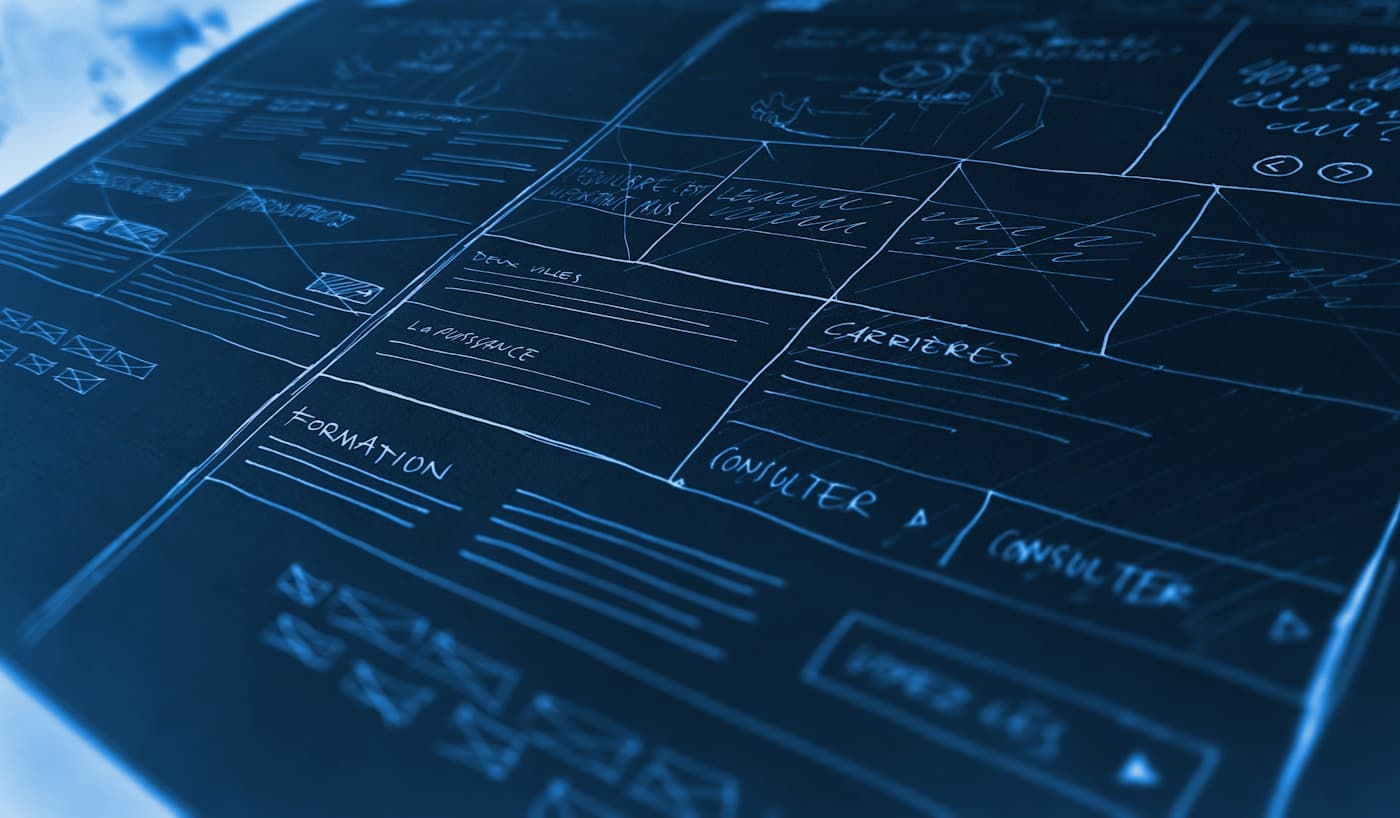
Most rebuilds are briefed as a design problem and fail as a content one.
01 · The question as it arrives
“Our website looks dated.” The brief that follows is about look and feel: a fresh design, a modern platform, something that works better on mobile.
Underneath, the complaints are more specific. Nobody can find anything. Half the pages are out of date. Every change goes through one person, and that person is busy.
The proposal is a redesign, because a redesign is visible, can be approved in a meeting and has a launch date.
02 · Why the obvious answer fails
A redesign changes how content is presented. It does not change who writes it, who approves it, or who notices when it goes stale.
Take a site with two hundred pages, of which forty get almost all the visits. A rebuild usually migrates all two hundred, restyles them and launches. Within a year the same pages are out of date again, now in a newer template.
The second problem is structure. When a site has grown department by department, its navigation mirrors the organisation chart. Visitors do not know the organisation chart, and a new design laid over the same structure leaves them just as lost.
The third is the platform. A new CMS is often chosen for its features, then run by a team with no time to use them. The site becomes harder to update than the one it replaced.
03 · What we look at instead
What people come to do. Analytics and search terms show the handful of tasks most visitors arrive with. The structure should be built around those, not around departments.
Which pages earn their place. Every page needs a reason to exist and a named owner. Pages with neither are archived before the migration, not after it.
How updates will really happen. Who will change a page next month, how long approval takes, and what they need the CMS to make easy. The platform is chosen against that, not against a feature list.
The objection is that this slows the project down. It moves the hard decisions to the start, where they are cheap, instead of the end, where they delay the launch.
04 · Where to start
Begin with an inventory, not a mood board. List every page on the site with its visits over the last twelve months.
Mark the small set of pages that carry most of the traffic, and the ones nobody has opened in a year.
Assign each remaining page a named owner. Pages nobody is willing to own are candidates for removal before the migration.
Then write down the three things visitors most often come to do. That list becomes the real brief for the redesign.